Detailed Mission

A history of service, a future of hope.

The Humanitarian Crisis

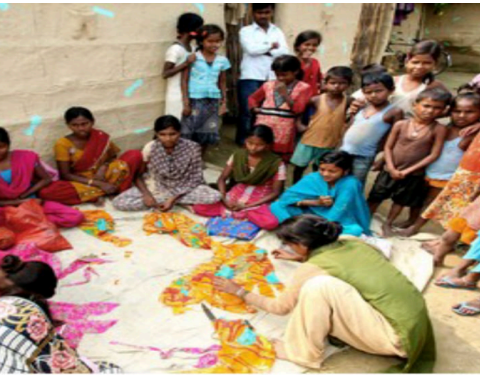
The significant majority of rural population of Pakistan depends on agriculture farming, livestock and fishing as primary source of livelihood and income. Since inception of Pakistan village community is far away from the clean and drinkable water, education and healthcare facilities. The rural population for facing menace of earthquake, floods, and droughts depends on US-AID, WHO, WFO and UNICEF.

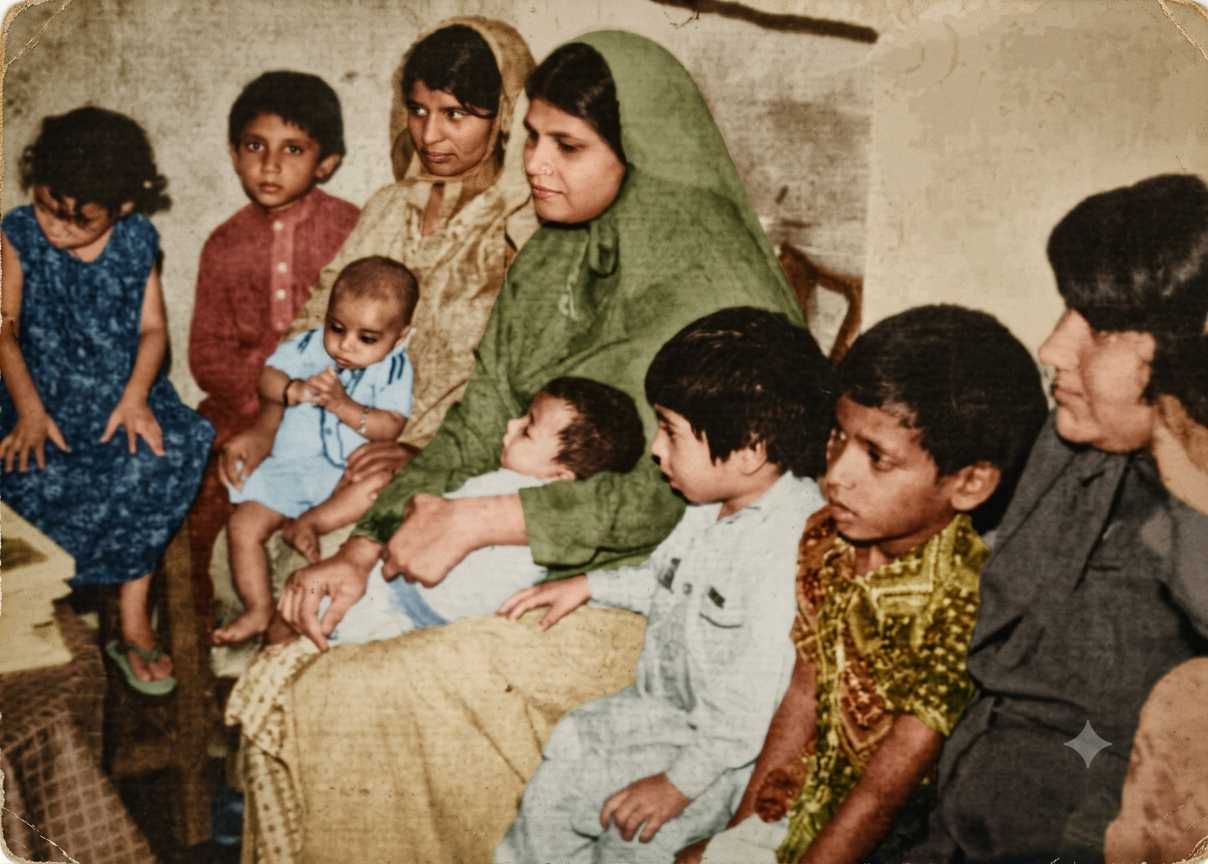
Frontier Post on October 25, 2000 reports that whenever war broke out in any part of world it affected children. During last decade two million children have been killed as a result of war, four to five million children have been disabled, 12 million were left homeless, more than one million became orphaned, separated from their parents. Ten million children became psychologically traumatized as a result of war.
Global Impact

Women's Vulnerability

The women in her daily life face lengthy working hours including multiplicity of task of food preparation, child rearing, taking care of kitchen garden and farm animals. She faces threat of infectious deceases caused by the poor environmental conditions.

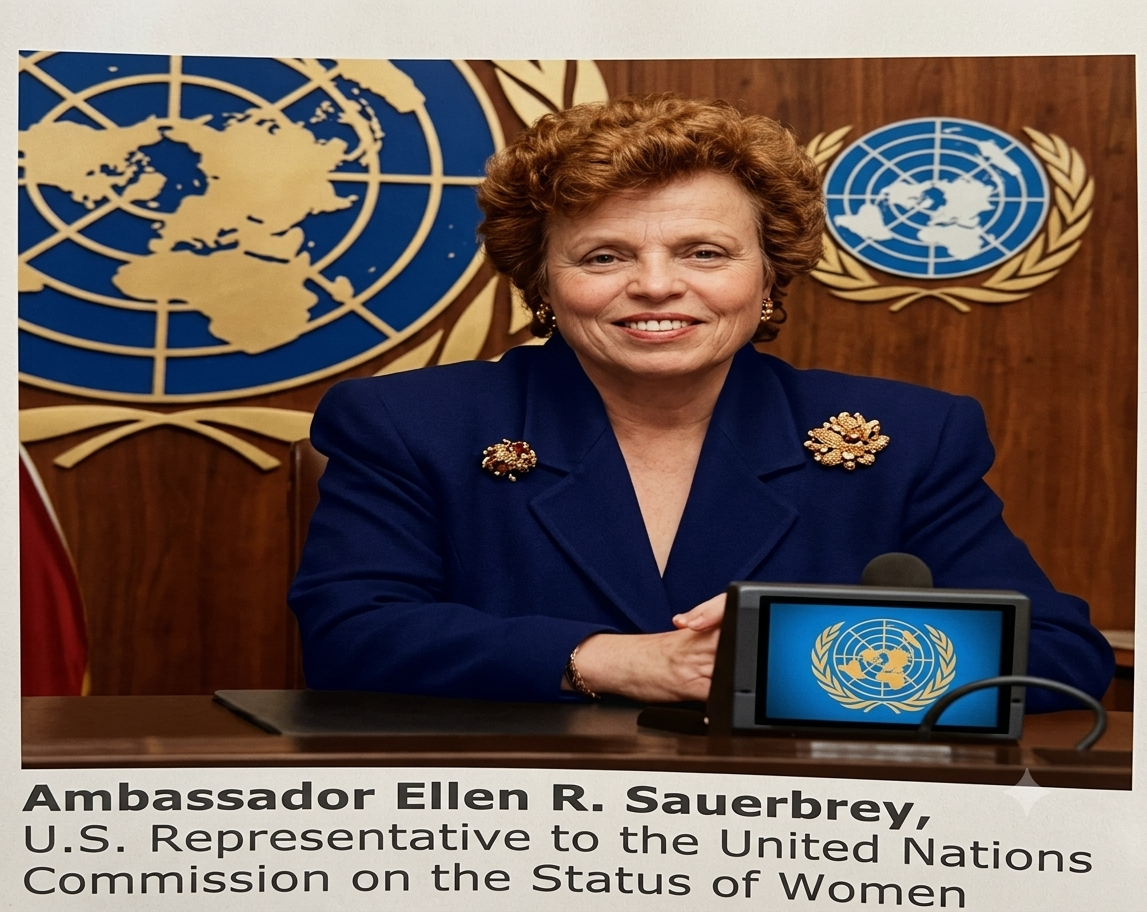
"In many regions, especially conflict zones, women lack protection for basic human rights and are the most economically vulnerable."
— U.S. Rep to UN Commission
Women Empowerment

Global Roots of Service

The United Nations Organization described “economy” is a system for meeting needs and wants of people in specific geographic area, community, region and nation, the volunteer may provide an important link to the community”

In 19th century concept of community service through student volunteers gained momentum in Central Europe and USA initiated by world renowned voluntary organization like YMCA founded in 1844 and Salvation Army which was founded in 1865 promoted volunteer works through students in local communities.

Student Volunteers

The Legacy Volunteering of Service

The spirit of community services was exposed in world wars first and second (1914-1945) whence large scales helping camps and missionary services were introduced for uplifting war affected people as well as to reconstruct or improve the damaged or ruined areas. Overseas volunteering traced back over more than hundred years.

The British Red Cross initiated “Voluntary-Aid” schemes worldwide. In the new world, volunteering movement for food enhancement is carried by FAO, US-AID, UNICEF and UNESCO. It was unfortunate that since inception of country nothing could be done to develop the exclusive source for developing volunteer force for betterment of rural communities in spite of the fact that every university of country claims having sociology and social works faculties.

History of Service

Training for Food Security Enhancement through Student Volunteer

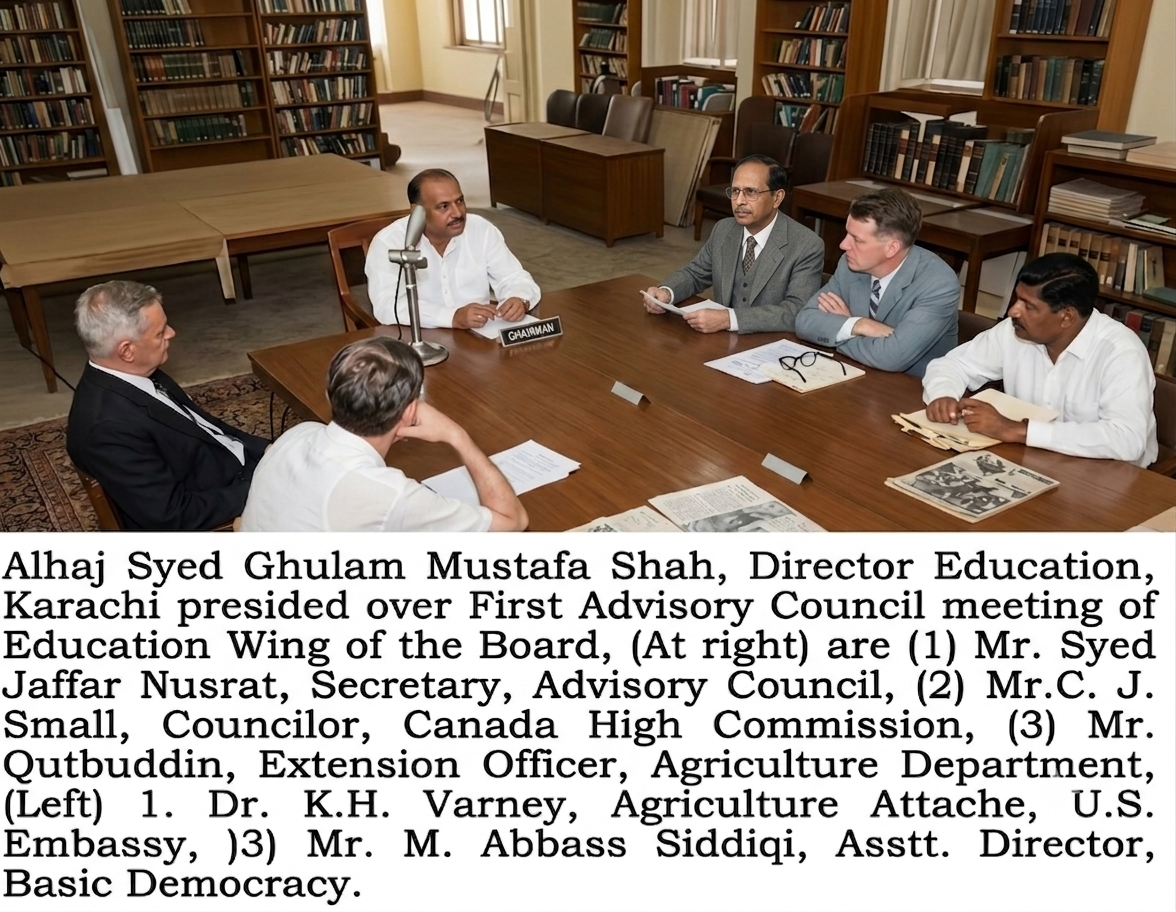
In 1964, a few people of good means retired from Indian Civil Services launched a not-for-profit organization under the name Agriculture Education Development and Welfare Board headquartered at Karachi. The program targeted awareness of food production enhancement through infrastructure improvement of rural areas by student volunteers during vacation.

During the First Advisory Meeting, the US-AID Agriculture Officer of the US Embassy accentuated basic volunteering training. He emphasized launching school volunteering programs like the lines followed across the United States under the US National and Community Service Act of 1990.

Hospital Project

In 1966 a student volunteering movement was initiated in schools of former East Pakistan. 36 privately owned schools were brought under the scheme till the end of the Bangladesh liberation movement. Program was designed by late Akhter Hameed Khan, a renowned rural development consultant.

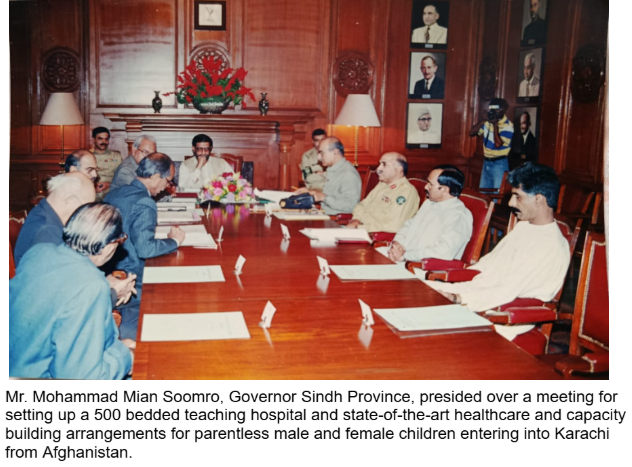
Resultant to USSR Army invasion in Afghanistan between1971-1978, the significant numbers of Afghanistan refugees entered into Karachi. Sindh government made arrangements for putting them temporarily into the classified areas located outside of Karachi. But several women and children were found roaming into the thickly populated areas, snatching cell phones from people and involving also in other heinous crimes.

This Institution arranged enormous amount of money through Middle Eastern philanthropists to initiate a state-of-the-art humanitarian city and teaching Hospital at Karachi. Unfortunately, despite Governor approval, the project was put under the carpet by the concerned authorities.

Finally this Institution filed a writ petition before Sindh High Court at Karachi, vide No.1148/8.9.2006. After considerable long time the said High Court gave verdict observing inter-alia that Governor Sindh was not empowered to allot questioned land to the Trust for setting up proposed facility. In consequent upon such verdict of the court the Board of the Governors of Institution unanimously resolved for shifting facilities to the NWF Province.

Humanitarian Relief Operations